This post may contain affiliate links. This means, if you make a purchase from a link on this page, I may receive a small commission at no extra cost to you. You can find our entire disclaimer here.
When I first set out to create a workspace, I thought I just needed a desk and a chair. But I quickly realized that designing a space that actually supports my brain and keeps me focused takes a little more intention. If you’re like me and live with ADHD, the environment around you can either help you thrive or leave you spinning in circles. That’s why I want to share some practical tips on how to design an office that works for you, so you can create a space that truly fits your needs.
Keep It Clear and Simple
Clutter is my biggest distraction. If I see piles of papers, random cords, or sticky notes scattered everywhere, my brain feels just as messy. I try to keep surfaces as clear as possible by giving everything its own spot. I use labeled bins and drawer organizers so that tidying up takes only seconds. When I sit down at my desk, I want to see a clean slate. It helps me feel calmer and more ready to focus.

Click Here to Join the Mothering the Storm Facebook Group! An Encouragement Group For Parents who have ADHD and are also caring for an ADHD Child!
Make It Stimulating, Not Overwhelming
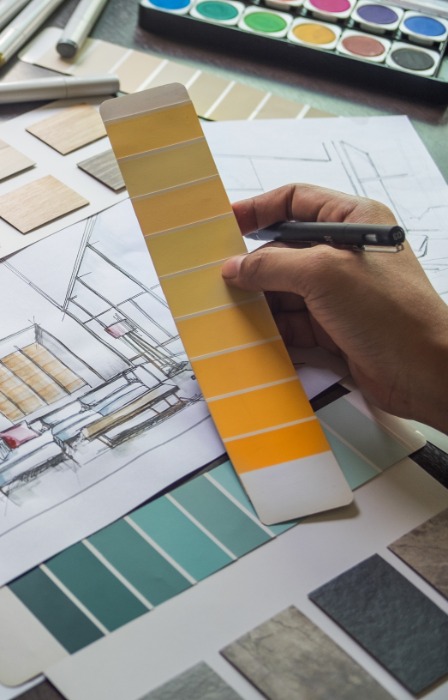
I love color, but too much can make me restless. I stick to a calming palette for the walls and furniture, then add pops of brightness with a rug, plant, or piece of art. This way, the space feels inviting without overstimulating me.
Lighting matters too. Natural light boosts my energy, so I position my desk near a window if possible. For darker spaces, I use warm LED lamps to keep the atmosphere cozy but bright enough to stay alert.
Build in Movement
One thing I know is that my brain works better when my body can move. A sit-stand desk lets me change positions throughout the day, and I keep a small balance board under my desk to fidget without losing focus. Sometimes I even take phone calls while pacing the room. Designing my office with movement in mind makes it easier to use my ADHD energy instead of fighting against it.
Understand Your Walls
If you’re setting up a new office or are involved in a major renovation project, you’ll also need to consider the walls. For instance, understanding the difference between a panel wall and a partition wall can help you create better boundaries in your workspace. Panel walls are typically built-in and permanent, while partition walls are movable and temporary.
For me, panels work better. I like the option to shift things around when I need a change.
Make It Yours
At the end of the day, you can design an ADHD-friendly office that works for you if you think about how you work. I know I get distracted if I’m uncomfortable, so I keep a candle with a scent I love and a cozy blanket near my desk. I’m not interested in posters or wall art, but I know my co-workers are, and they love to put them up. There are office upgrades and additions that will make you happy, too. You simply need to search for them.
By paying attention to both function and feeling, I’ve created an office that helps me focus, express creativity, and actually enjoy the work I’m doing.