This post may contain affiliate links. This means, if you make a purchase from a link on this page, I may receive a small commission at no extra cost to you. You can find our entire disclaimer here.
Parents can spot a thoughtfully designed play space almost immediately, even if they cannot name every feature that makes it work. The best spaces feel comfortable, organized, inviting, and easy for children to explore without creating unnecessary stress for the adults watching them.
Good planning also gives children enough freedom to play creatively while helping parents feel confident about the environment around them. Whether the play area sits in a backyard, neighborhood park, school, or community space, a few smart details can make a surprisingly big difference. Let’s explore what parents notice in a well-planned play space and why these environments matter.
Click Here to Join the Mothering the Storm Facebook Group! An Encouragement Group For Parents who have ADHD and are also caring for an ADHD Child!
Clear Sightlines Make Supervision Easier
Parents often notice visibility before they notice the equipment itself because clear sightlines make supervising children much easier. A well-planned play space avoids unnecessary visual barriers between seating areas, pathways, and popular pieces of equipment. Parents can relax, talk with other adults, or help another child without constantly moving around to regain a clear view. Children still enjoy independence, but adults can quickly see when someone needs assistance.
Sightlines become especially important when families have children of different ages who prefer separate activities. One child might race toward the swings while another spends twenty minutes climbing, digging, or creating an imaginary world nearby. Thoughtful layouts keep activity areas visually connected without forcing every child into the same small section. A balance gives parents the supervision they want and children the room they need.
Enough Space Around Equipment Feels Safer
Crowded equipment can make an otherwise beautiful playground feel chaotic, especially when several energetic children arrive at once. Parents tend to appreciate spaces that leave generous room around swings, slides, climbers, and other features with active movement zones. Understanding swing set spacing and safety essentials can help families and playground planners create layouts that reduce conflicts between children running through the area and those using moving equipment. Proper spacing also creates a more comfortable experience because children don’t have to compete for every available inch.
Parents can often recognize good spacing without pulling out a measuring tape because the playground simply feels easier to navigate. Children can approach equipment naturally instead of squeezing between structures or crossing directly through another activity zone. Adults also have enough room to reach younger children when they need help with climbing, getting down, or navigating a new feature. These small conveniences turn an exhausting playground trip into a much more enjoyable family outing.
Comfortable Parent Areas Matter Too
Children may drive the playground visit, but parents experience the space right alongside them. Comfortable seating, shade, convenient walkways, and places to set bags or water bottles can dramatically improve an afternoon outside. Parents especially appreciate seating that faces active play areas instead of benches tucked into inconvenient corners with limited visibility. A comfortable adult area can make a playground feel like a genuine gathering place rather than somewhere the parents simply wait for playtime to end.
Shade deserves particular attention because playground visits often stretch longer than families initially expect. Trees, canopies, shelters, and other shaded areas give everyone somewhere to cool down between bursts of activity. Parents with babies or younger siblings also benefit from having a protected place to sit while older children continue playing. These features may seem secondary to playground equipment, but families often remember them when deciding where to spend their next free afternoon.
Organized Layouts Reduce Playground Chaos
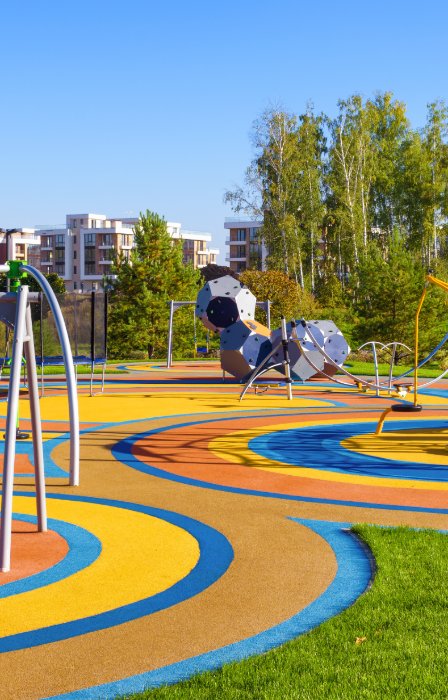
Parents rarely expect children to move through a playground in perfectly orderly lines, and that would take some of the fun out of play anyway. However, smart layouts can guide movement naturally and prevent unnecessary collisions between children using different features. Designers can separate high-motion activities from quieter zones while creating obvious routes between equipment, seating, and entrances. This organization lets energetic play remain energetic without making the entire space feel frantic.
Several design details can make playground flow easier for families to understand and navigate, including:
- Wide pathways give children and caregivers comfortable routes throughout the space.
- Defined activity zones can separate swinging, climbing, sliding, and quieter play.
- Open gathering areas give families natural places to meet before leaving.
- Convenient seating lets adults supervise without blocking children’s movement.
- Accessible routes help more children and caregivers participate comfortably.
Parents may never consciously analyze every one of these elements during a visit. Instead, they notice that everyone moves around easily and that fewer awkward bottlenecks interrupt the fun. Children can transition between activities without repeatedly crossing dangerous or congested areas. That smooth flow represents one of the clearest signs of thoughtful playground planning.
Accessibility Makes Family Outings More Inclusive
Parents appreciate play spaces that welcome children with different physical abilities, sensory preferences, and developmental needs. Accessible routes should connect meaningful activities rather than simply leading visitors into the playground without giving them much to do. Ground-level play components, transfer opportunities, sensory features, and appropriate pathways can create more ways for children to participate together. Inclusive planning also helps caregivers with strollers or mobility needs move through the space more comfortably.
Thoughtful accessibility can improve the playground experience for families who may not specifically seek accessible features. Wide pathways reduce congestion, varied activities give children more choices, and quieter spaces provide a break from intense stimulation. Parents often value environments where siblings and friends can stay connected instead of separating according to ability. A playground feels more welcoming when its design creates opportunities for everyone to join the fun.
A Great Play Space Feels Good for the Whole Family
The strongest playground designs combine safety, movement, comfort, accessibility, and organization without making any one feature feel like an afterthought. Parents notice when they can supervise easily, move comfortably, and give their children freedom to explore an engaging environment. Children notice something simpler: they have plenty of ways to play, imagine, move, and spend time with other kids. When a play space meets both sets of needs, families have more opportunities to enjoy meaningful time together.
Parents don’t need professional design experience to notice a well-planned play space. They see it in the thoughtful spacing, clean equipment, comfortable seating, clear pathways, and variety of activities available to their children. These choices turn a collection of playground features into a space where families genuinely want to spend their time. Ultimately, a well-planned play space makes the entire outing easier, safer, and more enjoyable for everyone.